
Most people overthink material selection or copy whatever a competitor used. In reality, five metals cover the vast majority of custom parts. Once you know what each one is good at, the choice is usually obvious.
The quick answer
If you want a starting point before reading the details:
- Default choice: 6061 aluminum. Light, strong enough for most jobs, cheap to machine and cut, easy to anodize. When in doubt, start here.
- Need it strong and cheap, indoors: mild steel (A36 or 1018). Powder coat it for looks and rust protection.
- Exposed to water, weather, food, or chemicals: 304 or 316 stainless.
- Every gram counts and budget is large: titanium (Grade 5).
- Electrical or thermal conductivity, or a warm gold look: copper (C110) or brass (C260).
Already know your material? See your real price in under a minute.
Get an instant quoteMetals compared side by side
| Metal | Strength | Weight | Corrosion resistance | Relative cost | Best for |
|---|---|---|---|---|---|
| Aluminum (6061) | Medium | Very light | Good (great anodized) | $$ | Brackets, enclosures, panels, general use |
| Mild steel (A36/1018) | High | Heavy | Poor (needs coating) | $ | Frames, structural parts, weldments |
| Stainless (304/316) | High | Heavy | Excellent | $$$ | Food, marine, outdoor, medical, chemical |
| Titanium (Grade 5) | Very high | Light | Excellent | $$$$$ | Aerospace, motorsport, medical implants |
| Copper (C110) | Low | Heavy | Good | $$$$ | Electrical bus bars, heat sinks, contacts |
| Brass (C260) | Medium | Heavy | Good | $$$ | Fittings, decorative, low-friction parts |
Aluminum
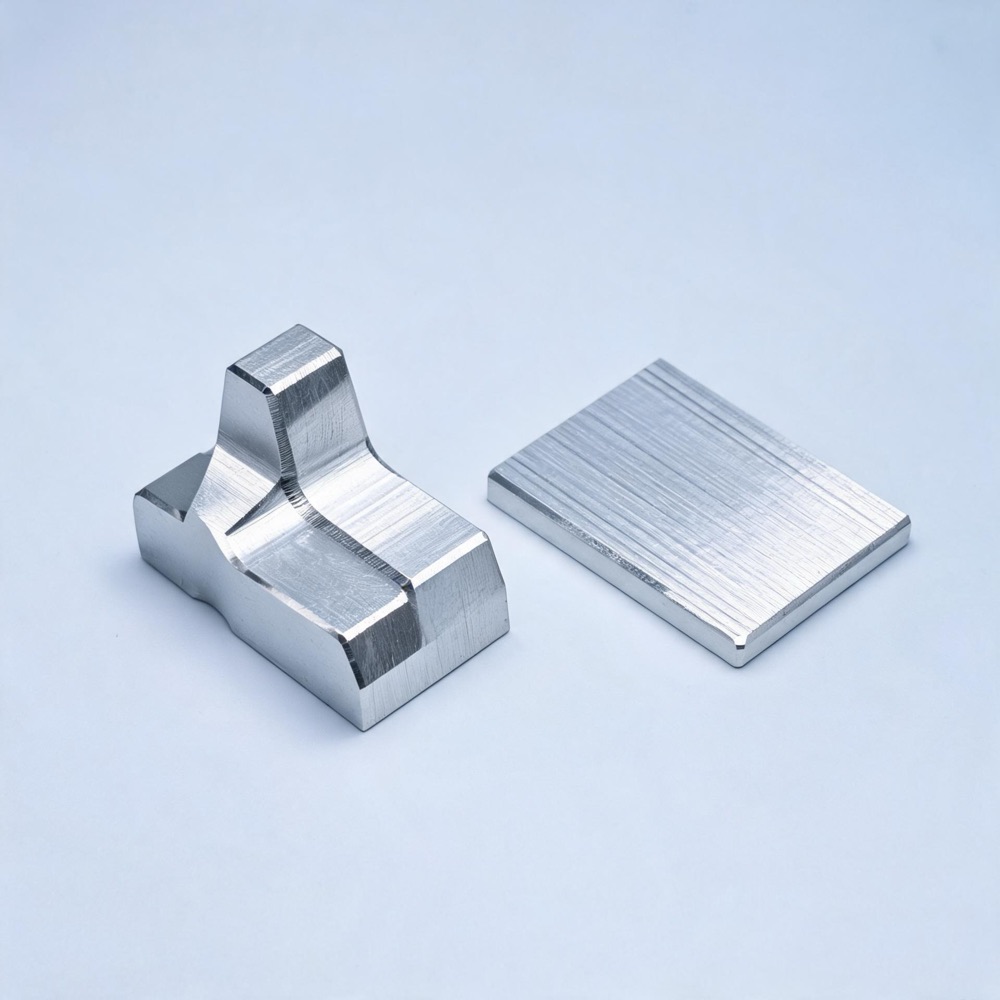
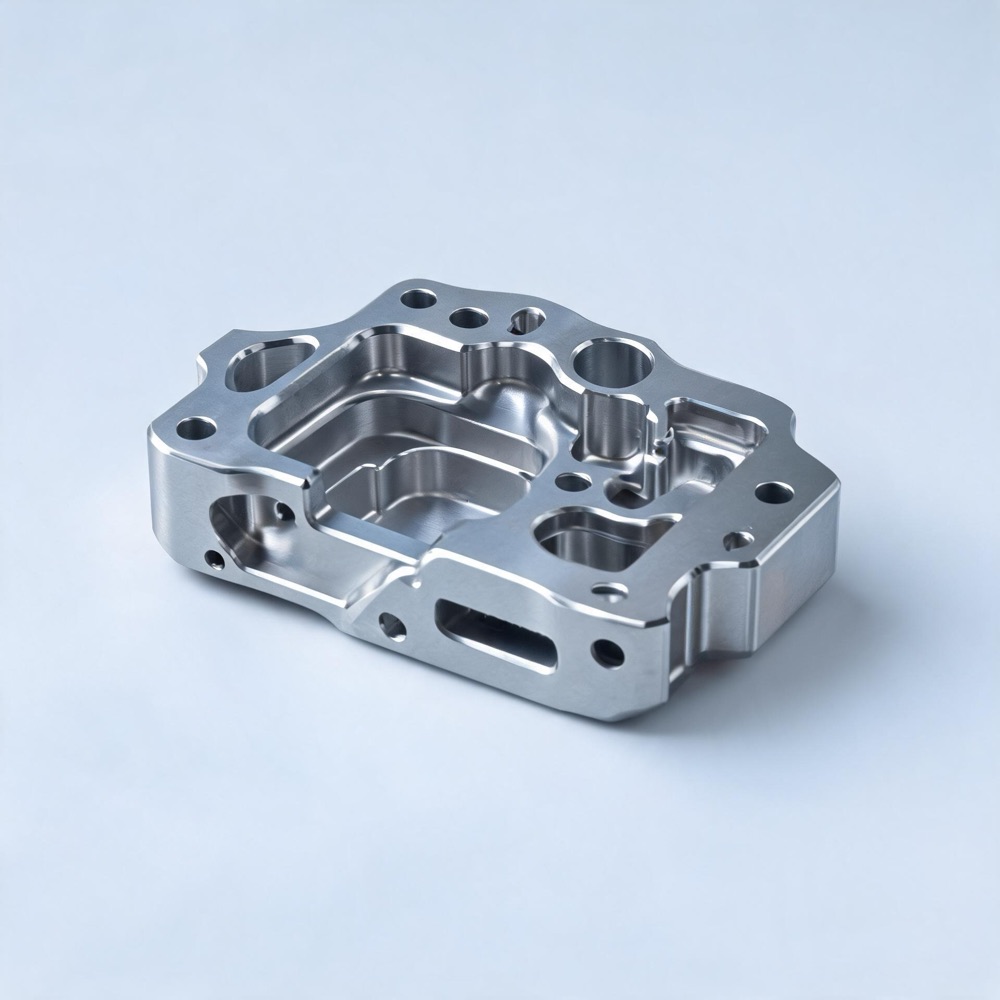
Aluminum is the workhorse of custom parts and the material we quote most often. It is about one third the weight of steel, resists corrosion on its own, and machines and laser-cuts fast, which keeps cost down. It also takes anodizing beautifully, so you can add color and a hard, durable surface.
- 6061All-rounder. Good strength, weldable, anodizes well.
- 5052The bending champion. Best for formed sheet metal.
- 7075Aircraft grade. Very strong, does not weld well.
Choose aluminum when you want light weight, a clean finish, corrosion resistance without coating, or simply the lowest total cost for a functional part.
Mild steel
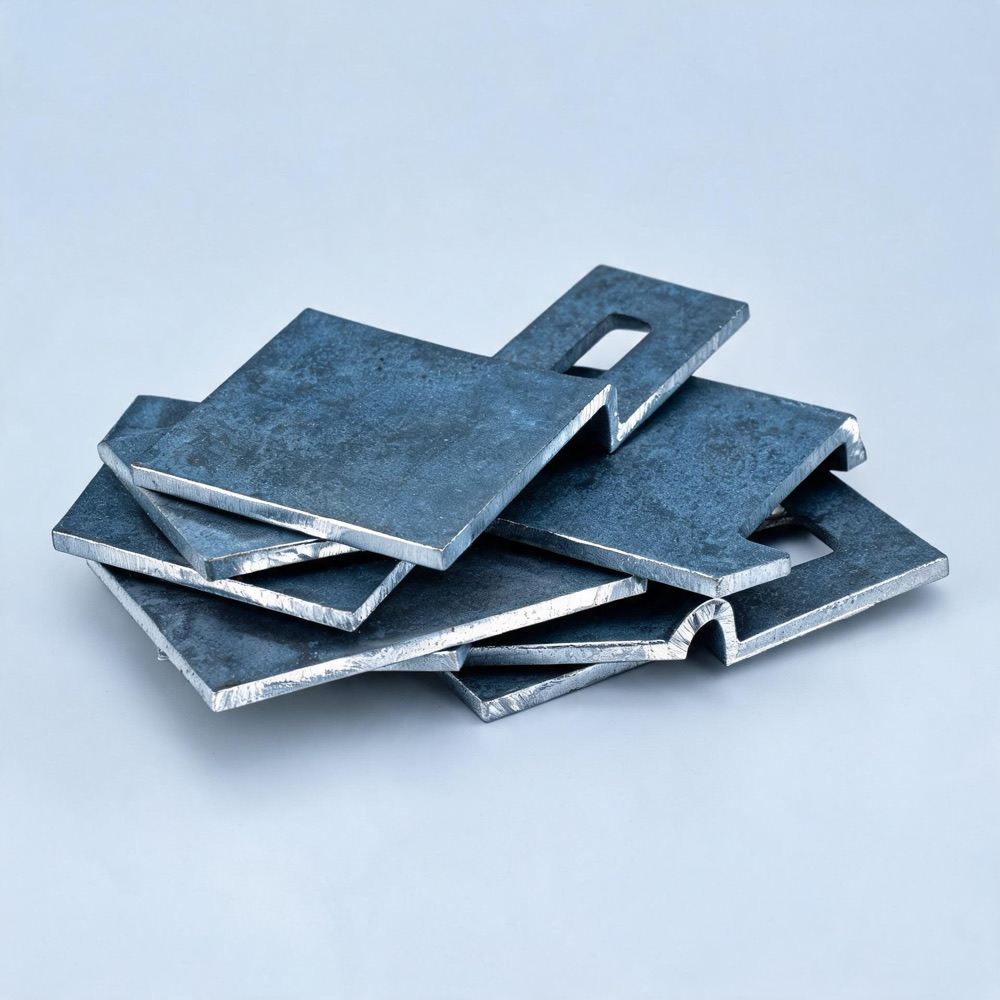
Mild steel (also called carbon steel) is strong, stiff, and the cheapest metal per pound. The catch is that it rusts, so nearly every steel part gets powder coated, painted, or plated. It welds easily, which makes it the go-to for frames, chassis, and weldments.
Watch out: uncoated steel starts to rust within days in humid air. If your part cannot be coated and will ever get wet, jump to stainless instead.
Choose mild steel when the part is structural, lives indoors or will be coated, and you want maximum strength for the lowest material cost.
Stainless steel
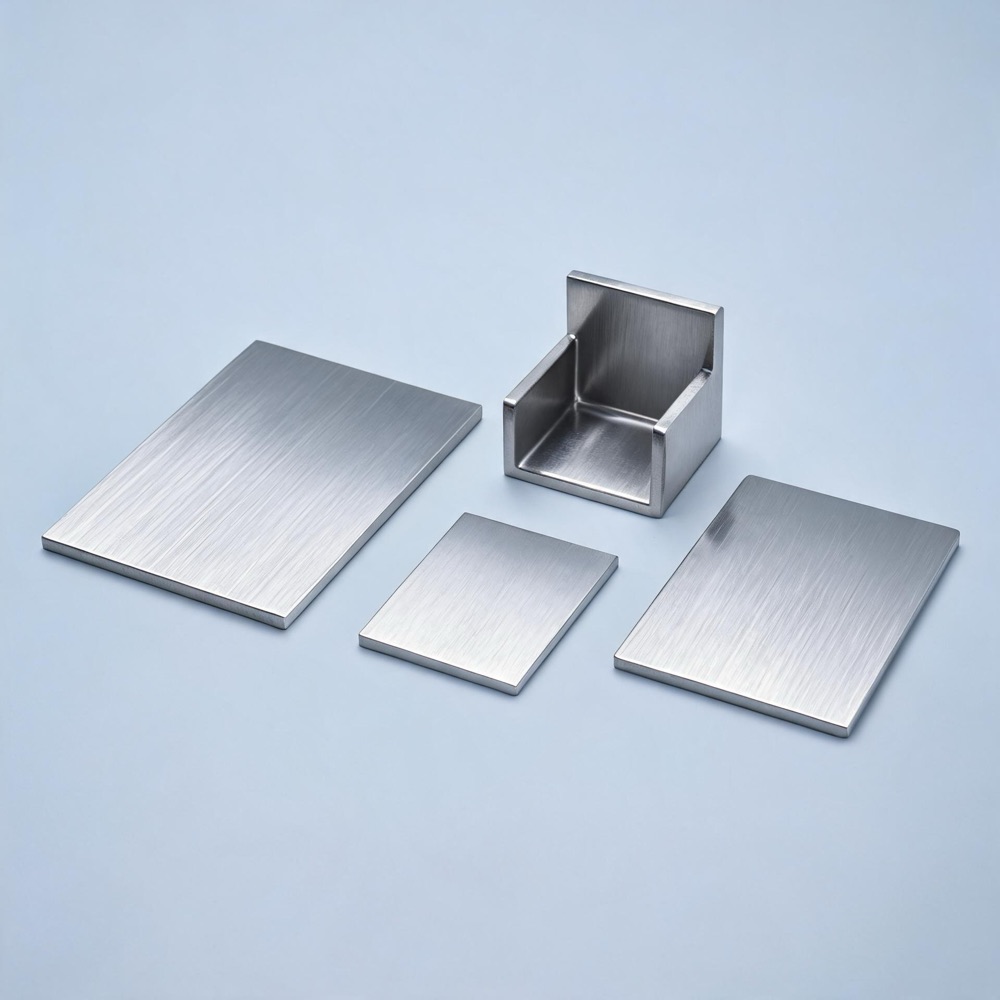
Stainless resists rust and staining because of the chromium in the alloy, so it holds up outdoors, in water, around food, and against many chemicals without any coating. It is strong and looks premium, but it is heavier than aluminum and costs more to cut and machine because it is tougher on tooling.
- 304The default stainless. Great for most uses.
- 316Marine grade. Handles salt water and harsh chemicals.
- 430Magnetic, lower cost, less corrosion resistant.
Choose stainless when the part must survive moisture, weather, food contact, or chemicals, or when a bare metal look with no coating is the goal.
Titanium
Titanium has the strength of steel at nearly half the weight, plus excellent corrosion resistance and biocompatibility. It is the premium choice for aerospace, motorsport, and medical parts. The tradeoff is cost: the raw metal is expensive and it is slow and hard to machine, so titanium parts can cost many times an equivalent aluminum part.
Choose titanium when weight savings are worth a real premium, or when the part goes inside the human body or into an extreme environment.
Copper and brass
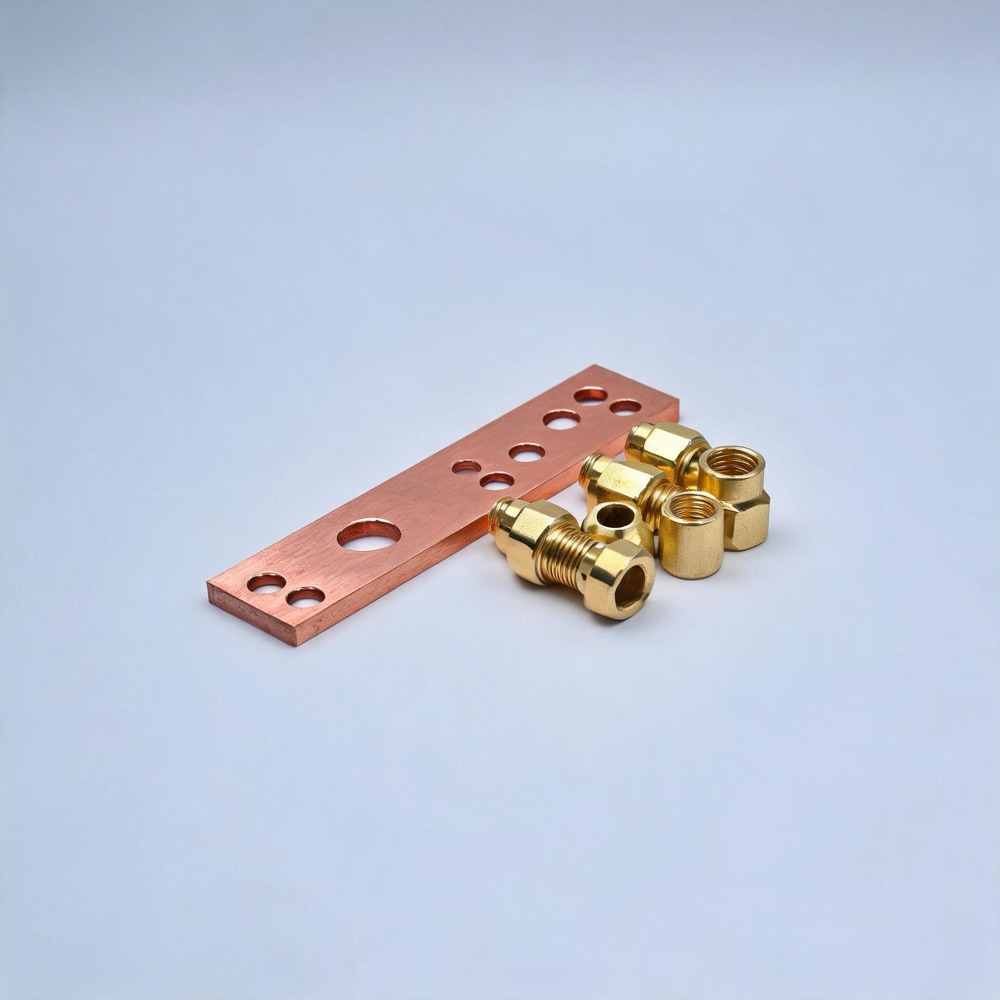
Copper (C110) has outstanding electrical and thermal conductivity, which makes it the material for bus bars, heat sinks, and electrical contacts. Brass (C260) is a copper-zinc alloy that machines cleanly, resists corrosion, and has a warm gold color, so it shows up in fittings, valves, and decorative hardware.
Choose copper or brass when you need conductivity, a specific low-friction or antimicrobial property, or the distinctive look of these metals.
How to decide in 4 questions
- Where does the part live? Outdoors, wet, or around food or chemicals means stainless. Indoors and dry opens up steel and aluminum.
- Does weight matter? Yes means aluminum or titanium. No means steel is cheaper.
- How much load does it carry? Heavy structural load leans toward steel or titanium. Light to medium load is fine in aluminum.
- What is the budget? Tight budget means aluminum or mild steel. Room to spend on performance opens up stainless and titanium.
Still not sure? That is exactly why a real engineer reviews every Darioo quote. Add a note about what your part does and where it will be used, and we will recommend the right alloy before you commit to anything.