
CNC machining is the most common way to make precise metal and plastic parts. If you need tight tolerances, clean threads, or strong functional parts in real engineering materials, this is usually the process you want.
What CNC machining is
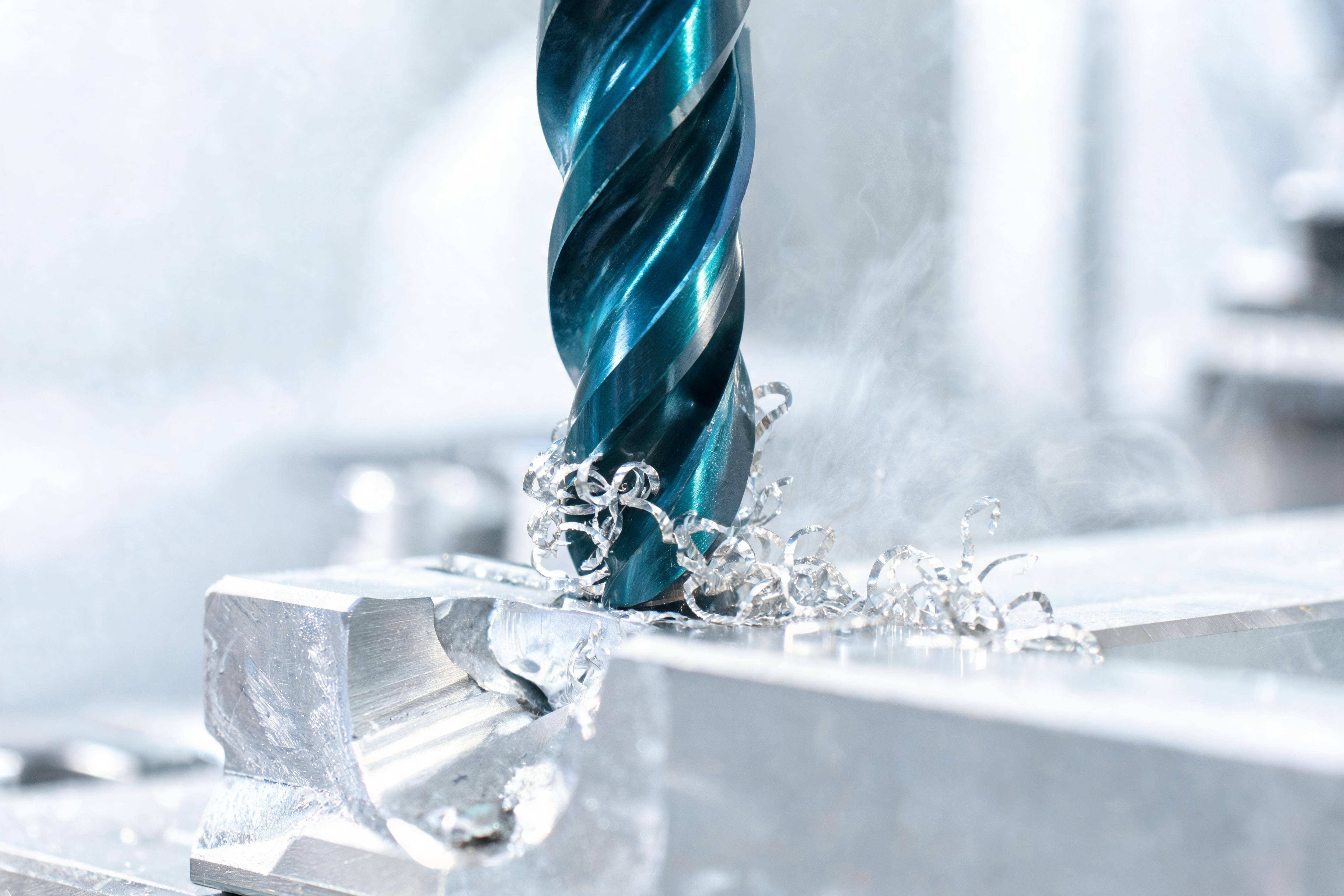
CNC stands for Computer Numerical Control. You start with a solid block of material, called stock, and a computer guides a spinning cutting tool to remove material until only your part is left. Because a program drives every move, the hundredth part matches the first exactly. This is a subtractive process: you cut material away, which is the opposite of 3D printing, where material is added layer by layer.
Milling vs turning
Almost every machined part is made one of two ways:
- Milling holds the part still and moves a rotating cutter around it. Best for blocky parts: brackets, housings, plates, and manifolds. A 3-axis mill handles most work; a 5-axis mill reaches complex angles in one setup.
- Turning spins the part against a stationary tool on a lathe. Best for round parts: shafts, pins, bushings, and fittings.
Many parts combine both. You do not have to know which process yours needs. Send the model and we will choose the right machine.
Have a model ready? Get a machining price in under a minute.
Get an instant quoteTolerances you can expect
Tolerance is how much a real part is allowed to differ from the perfect CAD dimension. CNC is prized for holding tight tolerances repeatably.
| Tolerance level | Typical value | When to use it |
|---|---|---|
| Standard | ±0.005 in (0.13 mm) | Most features. No note needed. |
| Precision | ±0.001 in (0.025 mm) | Bearing fits, mating surfaces, seals. |
| High precision | ±0.0005 in (0.013 mm) | Critical alignment. Adds cost and time. |
Money-saving tip: only tighten the tolerance on features that actually need it. Calling out a tight tolerance on the whole part when only one hole matters can double your price for no benefit.
What makes a part cheap or expensive to machine
Machining cost is mostly about time on the machine plus setup. These factors move the number:
- Part size and material removed: more cutting means more time. Starting from a smaller block helps.
- Complexity: deep pockets, thin walls, many setups, and 5-axis features add time.
- Tolerances and finish: tighter specs and polished surfaces take longer.
- Material: aluminum cuts fast and cheap; stainless and titanium are slower and harder on tools.
- Quantity: setup and programming spread across more parts, so unit price drops at higher volume.
Our cost guide goes deeper, with seven concrete ways to bring the price down.
CNC vs sheet metal vs 3D printing
| Process | Best for | Strength | Tolerance | Cost at low qty |
|---|---|---|---|---|
| CNC machining | Precise, solid functional parts | Full material strength | Tightest | Higher |
| Sheet metal | Brackets, panels, enclosures | Strong for the weight | Medium | Lower |
| 3D printing | Prototypes, complex shapes | Lower (layered) | Loosest | Lowest for one-offs |
Rule of thumb: if the part is flat or made of folded panels, sheet metal is cheaper. If it needs tight tolerances, threads, or full strength, machine it. If you just need to check fit and feel, print a prototype first.
Best materials for CNC
Aluminum 6061 is the easiest and cheapest to machine and covers most jobs. Steel and stainless machine well but cost more in time. Brass machines beautifully. Titanium and hardened steels are the slowest and priciest. See our materials guide to match a metal to your part's job.
Not sure CNC is right for your part? Upload it or send a sketch and a Darioo engineer will tell you the best and cheapest way to make it, before you spend a dollar.