
A finish does two jobs: it protects the metal and it sets the look. Some parts are fine raw, but most benefit from a finish, and for steel a coating is usually essential to stop rust. Here is what each option does best.
Why finish a part at all
Bare metal has downsides. Steel rusts, machined aluminum shows tool marks and fingerprints, and raw edges can be sharp. A finish addresses corrosion, wear, appearance, electrical properties, and safety. The trick is matching the finish to the job so you are not paying for protection you do not need or skipping protection you do.
Finishes compared
| Finish | Works on | Look | Protection | Adds thickness | Lead time |
|---|---|---|---|---|---|
| Anodizing | Aluminum, titanium | Metallic, several colors | Hard, corrosion resistant | Negligible | ~7 to 10 days |
| Powder coating | Most metals | Many colors and textures | Thick, tough, weatherproof | Yes, noticeable | ~3 to 5 days |
| Plating (zinc / nickel) | Steel and others | Bright or matte metallic | Corrosion resistant | Thin | ~5 to 7 days |
| Deburring / tumbling | All metals | Clean raw metal | Removes sharp edges only | No | Fastest |
Know the finish you want? Add it to your quote now.
Get an instant quoteAnodizing
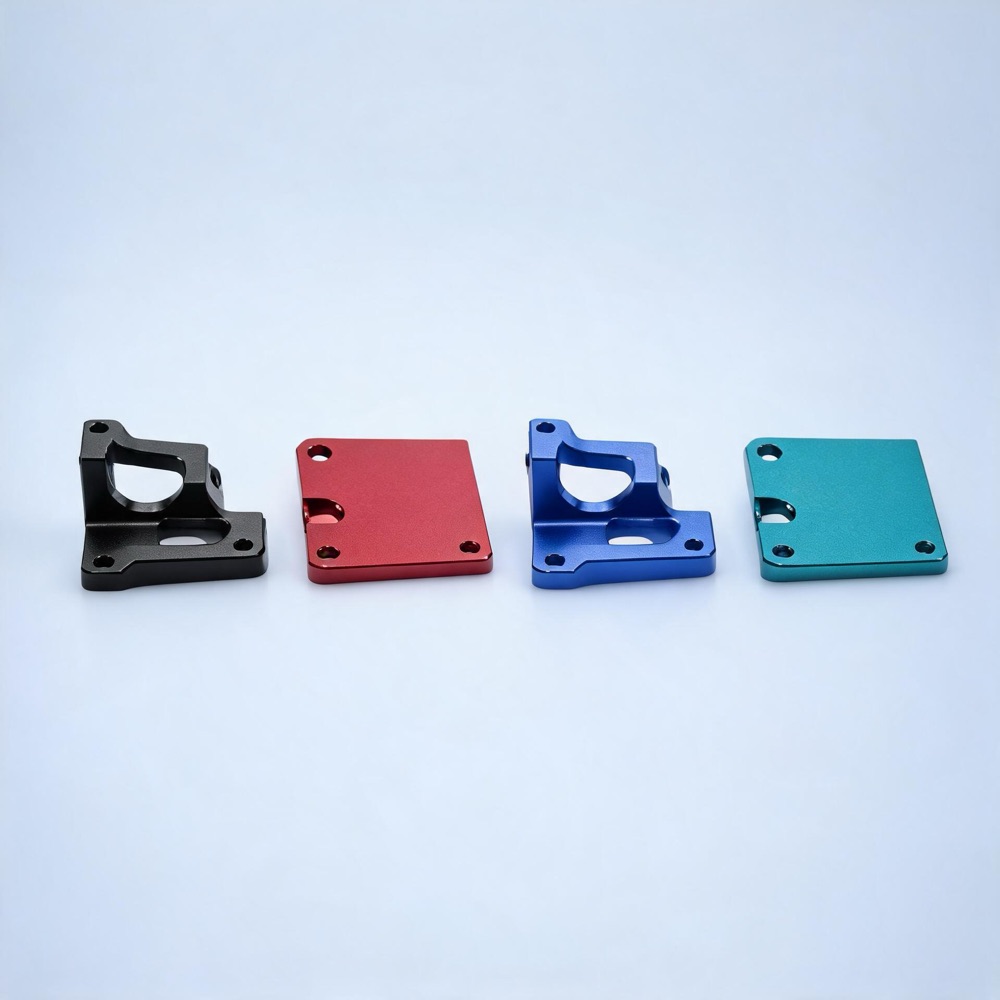
Anodizing is an electrochemical process that grows a hard, corrosion-resistant oxide layer into the surface of aluminum. Because it becomes part of the metal rather than sitting on top, it will not chip or peel and it barely changes the part's dimensions. It keeps a clean metallic look and takes color well, which is why it is the go-to finish for enclosures, brackets, and consumer hardware in aluminum.
Choose anodizing when the part is aluminum, you want a durable finish that does not add thickness, and you like a metallic or cleanly colored look.
Powder coating
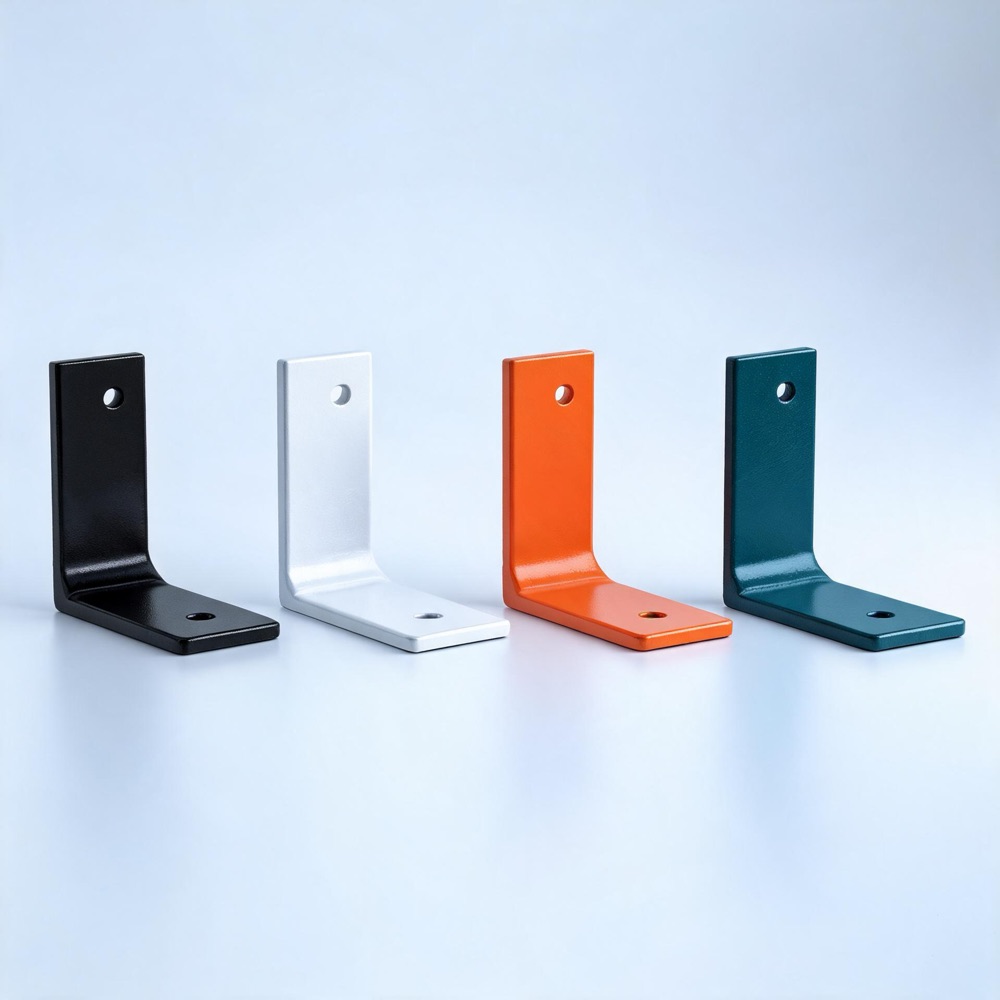
Powder coating sprays a dry polymer powder onto the part, which is then baked so it flows into a thick, tough, uniform layer. It works on nearly any metal, comes in a huge range of colors and textures, and stands up to weather and abrasion. The tradeoff is that it adds a visible layer of thickness, so it can fill in fine detail and tight tolerances.
Choose powder coating when you want a specific color, maximum durability outdoors, or a finish on steel that also stops rust.
Plating
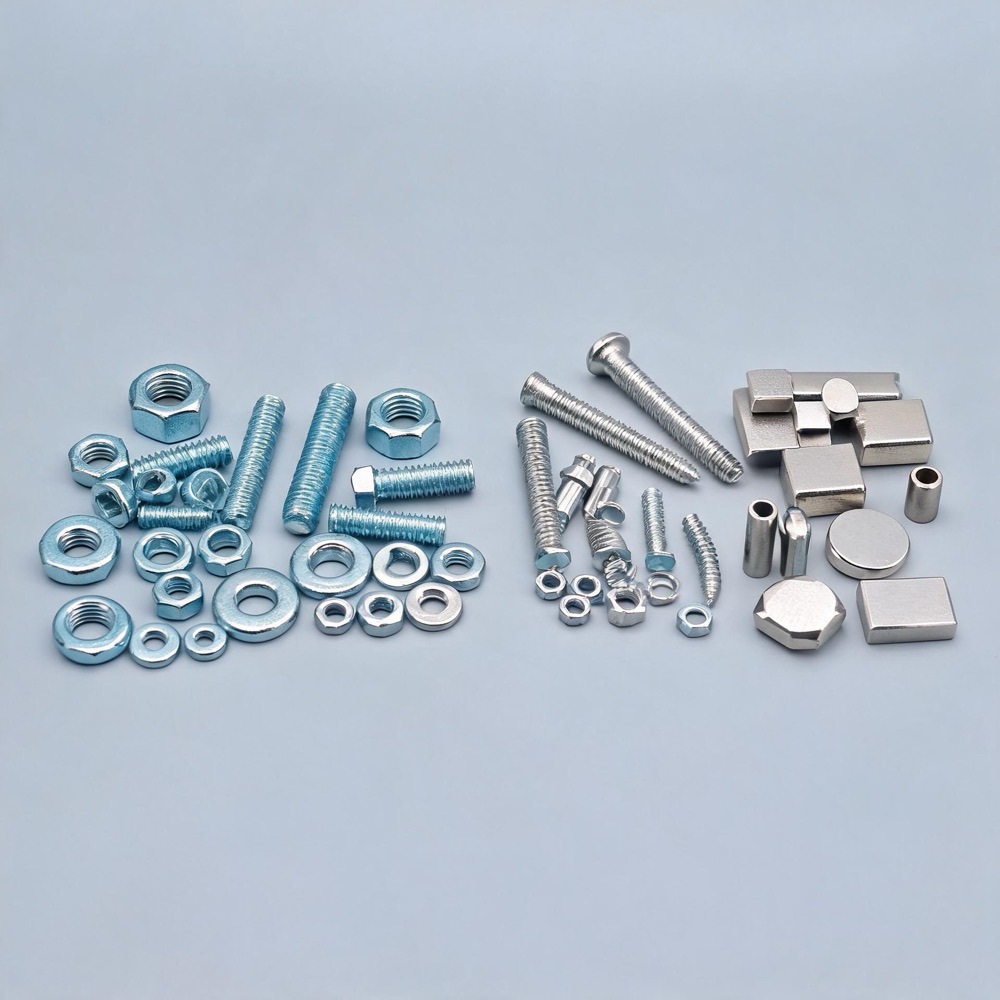
Plating deposits a thin metallic layer, usually zinc or nickel, onto the part. Zinc plating is a cost-effective way to protect steel from rust, while nickel adds corrosion resistance plus a bright, hard surface. Plating keeps a metal look and adds very little thickness, so it suits fasteners and precision steel parts.
Choose plating when you need corrosion protection on steel without much added thickness, or a bright metallic surface.
Deburring and raw
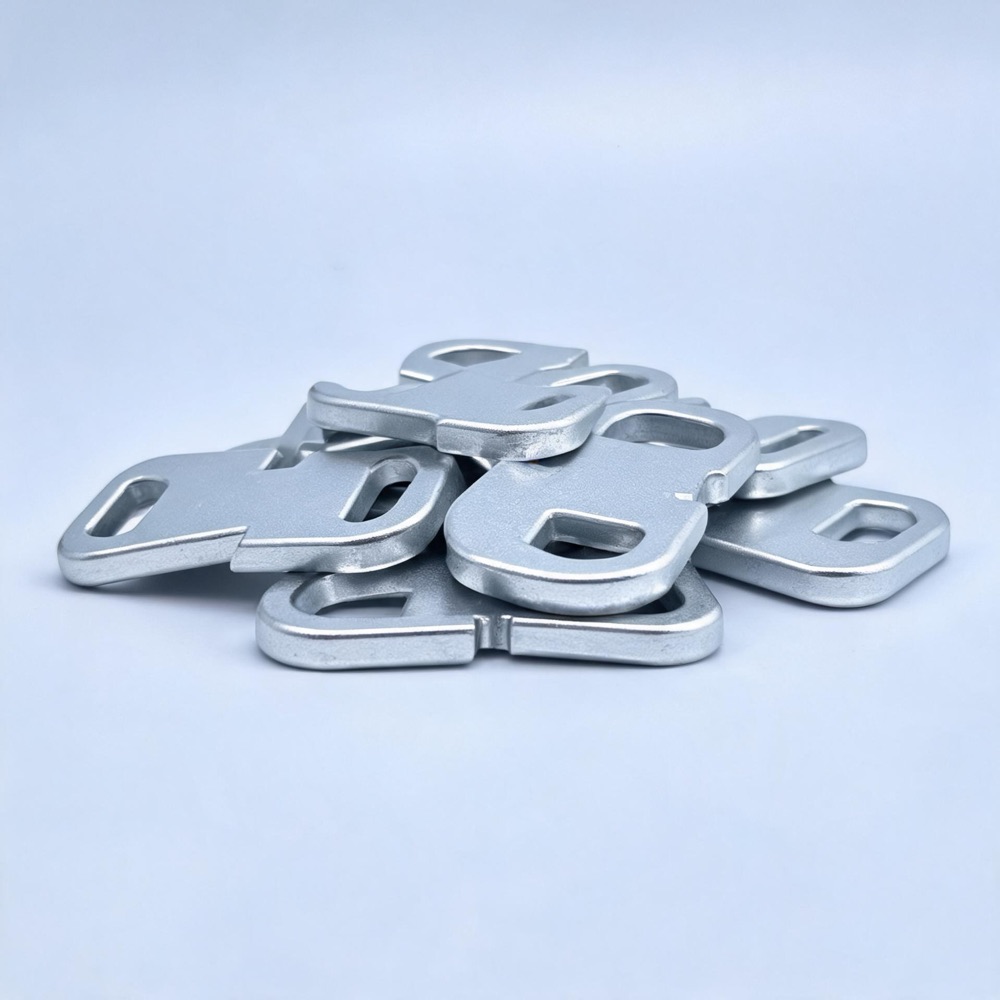
Sometimes the best finish is almost none. Deburring and tumbling remove sharp edges and smooth the surface while keeping the raw metal look. Stainless steel and often aluminum can ship deburred with no coating, because they resist corrosion on their own. This is the fastest and cheapest option.
Choose raw or deburred when the metal already resists corrosion, appearance is not critical, or the part will be finished later in your own process.
How to pick a finish
- Is it steel? It almost certainly needs powder coat or plating to prevent rust.
- Is it aluminum and you want it colored or protected? Anodize it, or powder coat for bold colors.
- Is it stainless? Deburred and raw is often all you need.
- Do tight tolerances matter? Prefer anodizing or plating over thick powder coat.
Not sure? Add a note to your quote describing where the part will live and the look you want, and a Darioo engineer will recommend the right finish before anything is coated.