
Picking the process is the first fork in every custom part. Get it right and you save money and time. The good news is that a handful of clear rules point you to the answer for almost any part.
Quick decision guide
- Flat part from a sheet? Laser cutting. Add bending if it needs to fold.
- Very thick, reflective, or heat-sensitive material? Waterjet.
- Truly 3D shape, tight tolerances, or threads? CNC machining.
- Bracket, enclosure, or chassis? Laser cut plus bending.
- Early prototype to check fit? 3D printing.
Processes compared
| Process | Best for | Tolerance | Materials | Cost at low qty |
|---|---|---|---|---|
| Laser cutting | Flat metal parts | Tight on flat features | Most metals, thin to medium | Low |
| Waterjet | Thick, reflective, heat-sensitive | Good | Almost anything, thick | Medium |
| CNC machining | 3D parts, precision | Tightest | Metals and plastics | Higher |
| Bending / forming | Folded sheet parts | Medium | Sheet metal | Low |
| 3D printing | Prototypes, complex shapes | Loosest | Plastics, some metals | Lowest for one-offs |
Know your process? Get a real price in under a minute.
Get an instant quoteLaser cutting
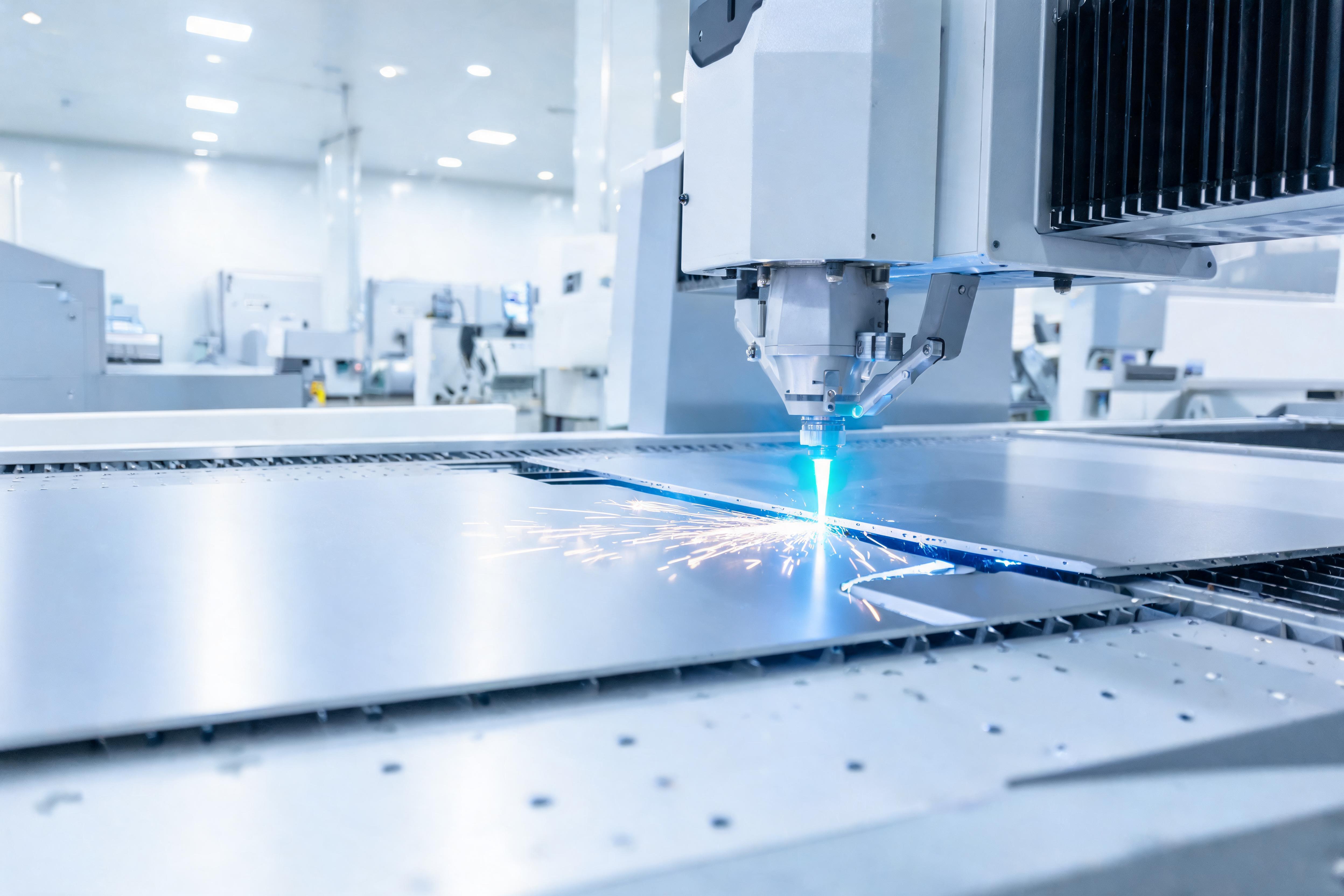
A fiber laser cuts flat metal parts fast, with clean edges and tight accuracy. It is the most economical way to make flat brackets, plates, panels, and gaskets, and it pairs with bending to make folded parts. Laser handles thin to medium thickness in most common metals. For a truly flat part, this is almost always the cheapest route.
Waterjet cutting
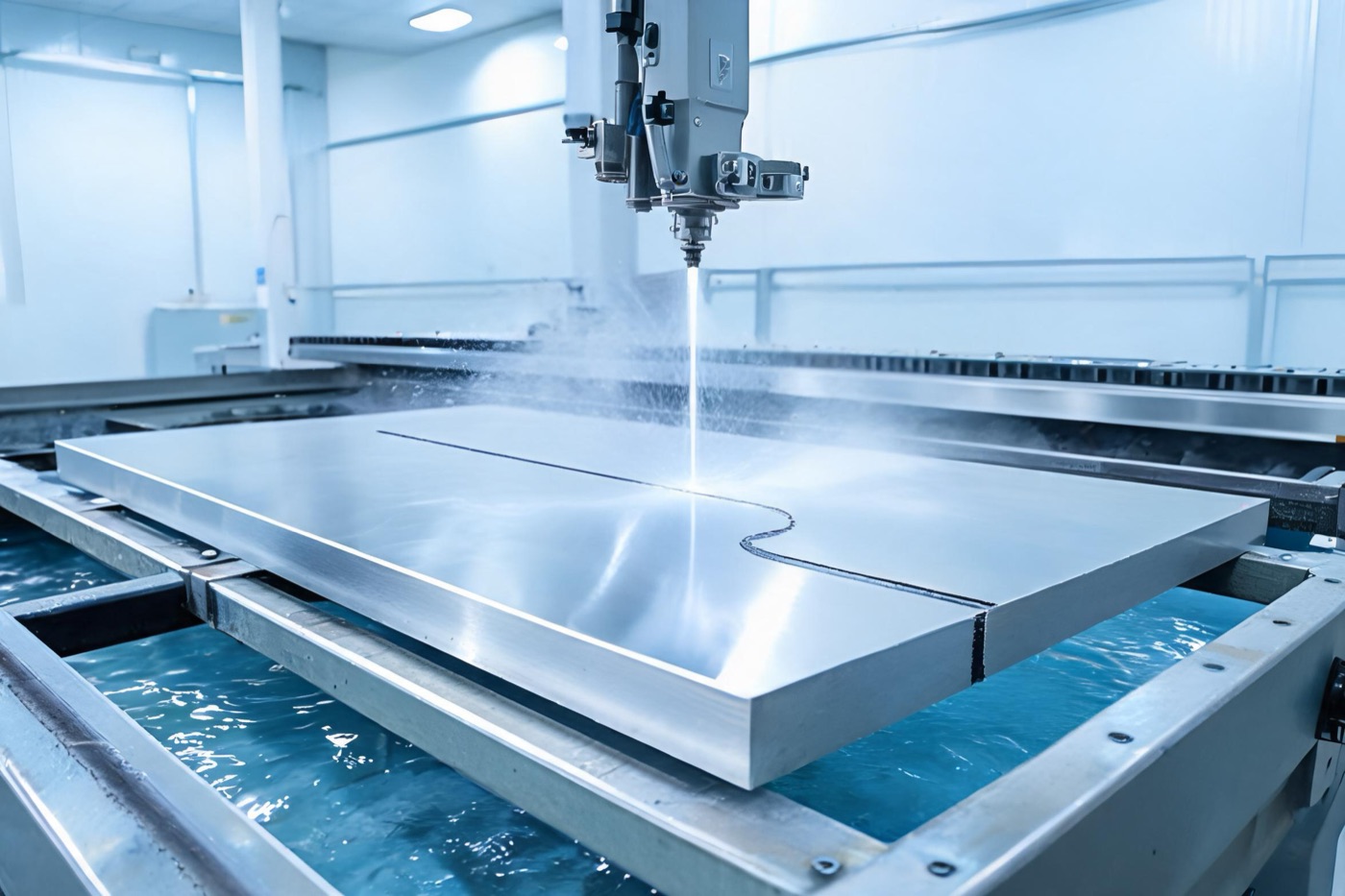
A waterjet cuts with a high-pressure stream of water and abrasive, so it produces no heat-affected zone and can cut materials a laser struggles with: very thick plate, reflective metals like copper and brass, and heat-sensitive or non-metal materials. It is a bit slower and pricier than laser, so reach for it when thickness or material rules the laser out.
CNC machining
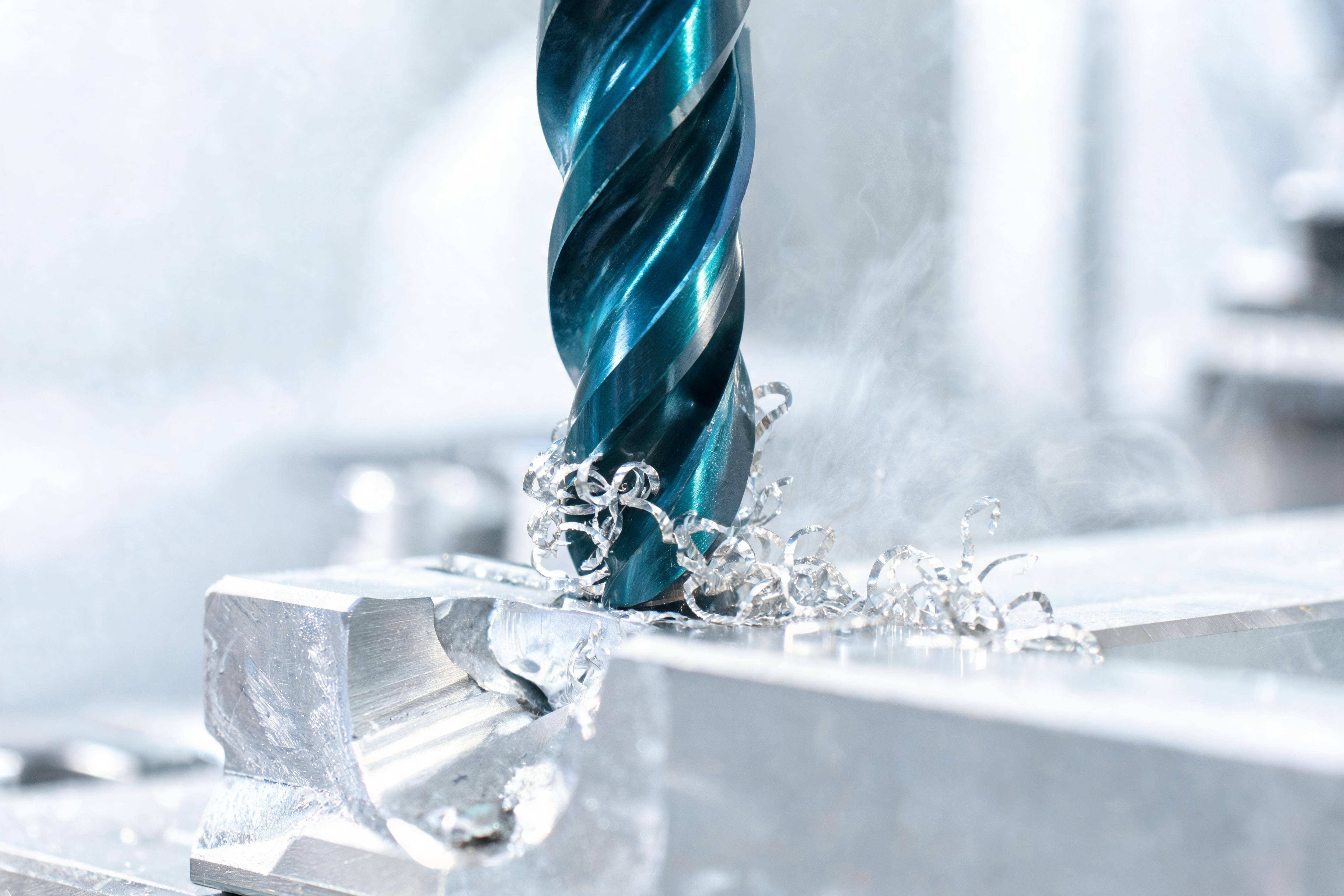
Machining removes material from a solid block under computer control, producing precise 3D parts with tight tolerances, threads, and full material strength. It is the choice for functional parts that cannot be made from folded sheet. It costs more than cutting a flat part, so use it when the geometry or precision truly calls for it. See the CNC guide for details.
Bending and forming
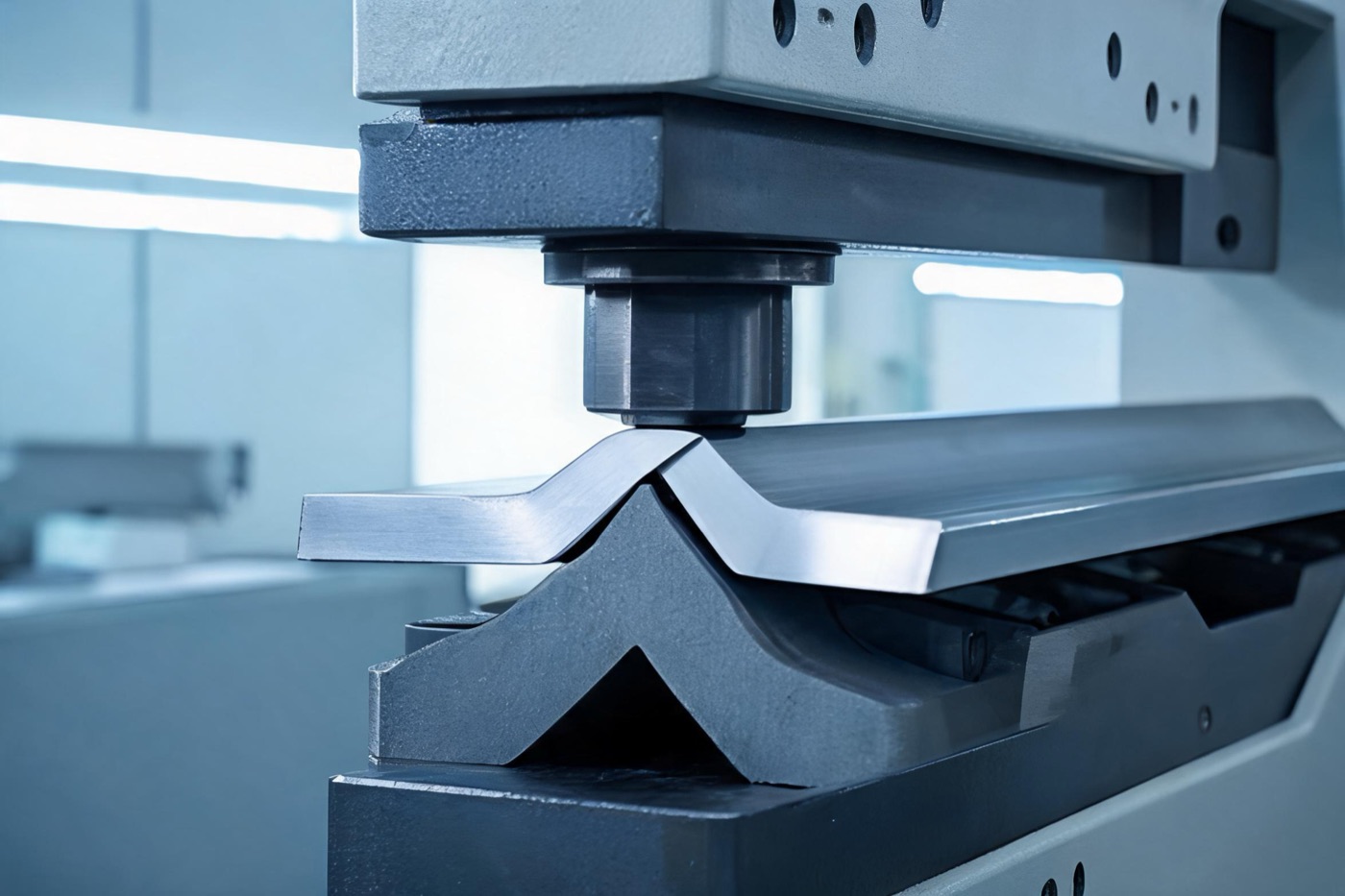
Bending takes a flat laser-cut blank and folds it on a press brake into brackets, enclosures, and chassis. It is cheap and strong for the weight, and it is how most sheet metal parts get their shape. Design around the bend rules in our sheet metal guide and use the bend calculator to plan your flat pattern.
3D printing
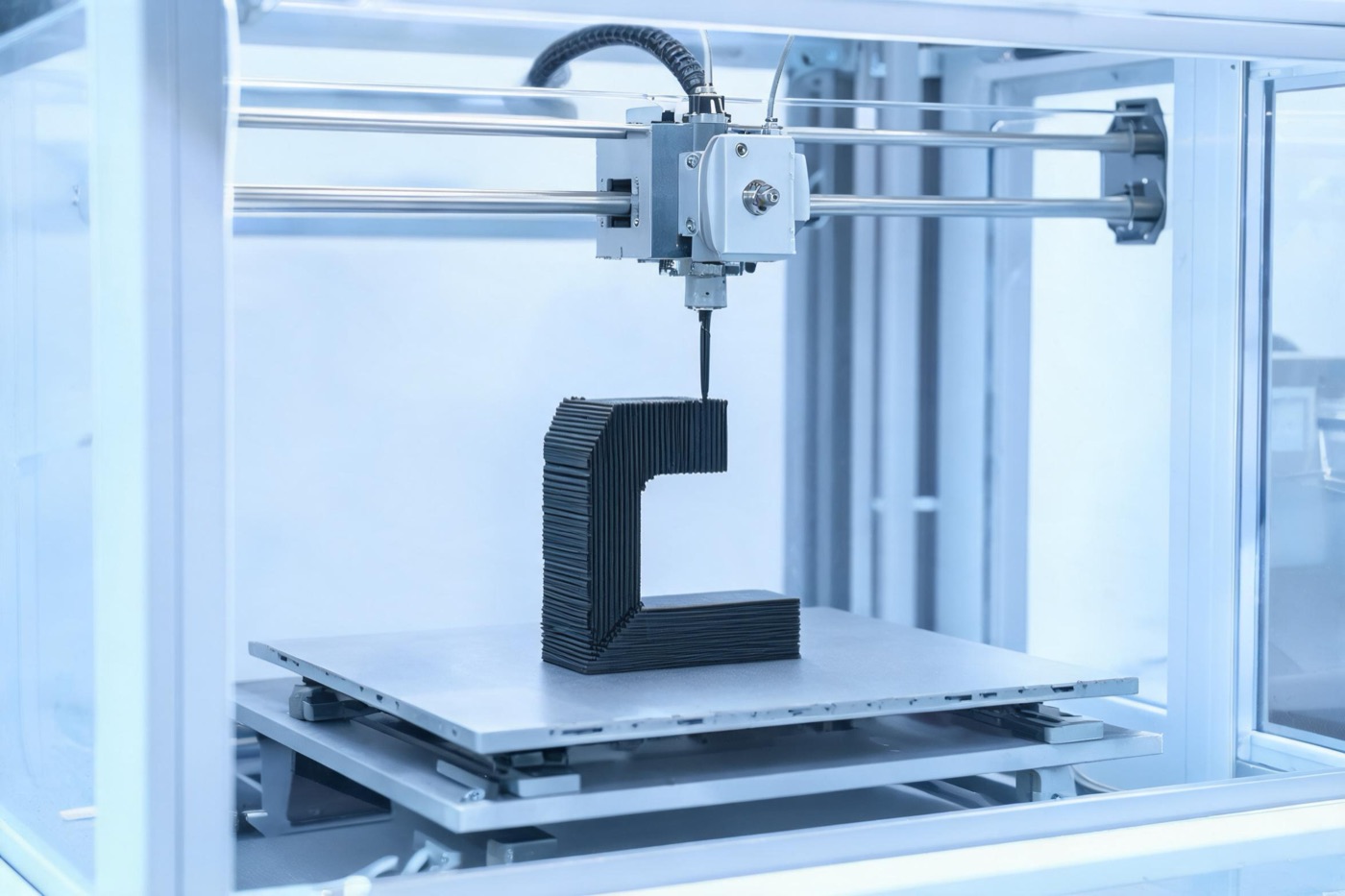
3D printing builds a part up layer by layer, which makes it great for complex shapes and quick prototypes where you mainly want to check fit and feel. It is the cheapest way to get a single complex part, but it has looser tolerances and lower strength than machined or sheet metal parts, so move to another process once you need production quality.
Still deciding? Upload your model or send a sketch and a Darioo engineer will pick the best and cheapest process for your part, then send a quote within 48 hours.